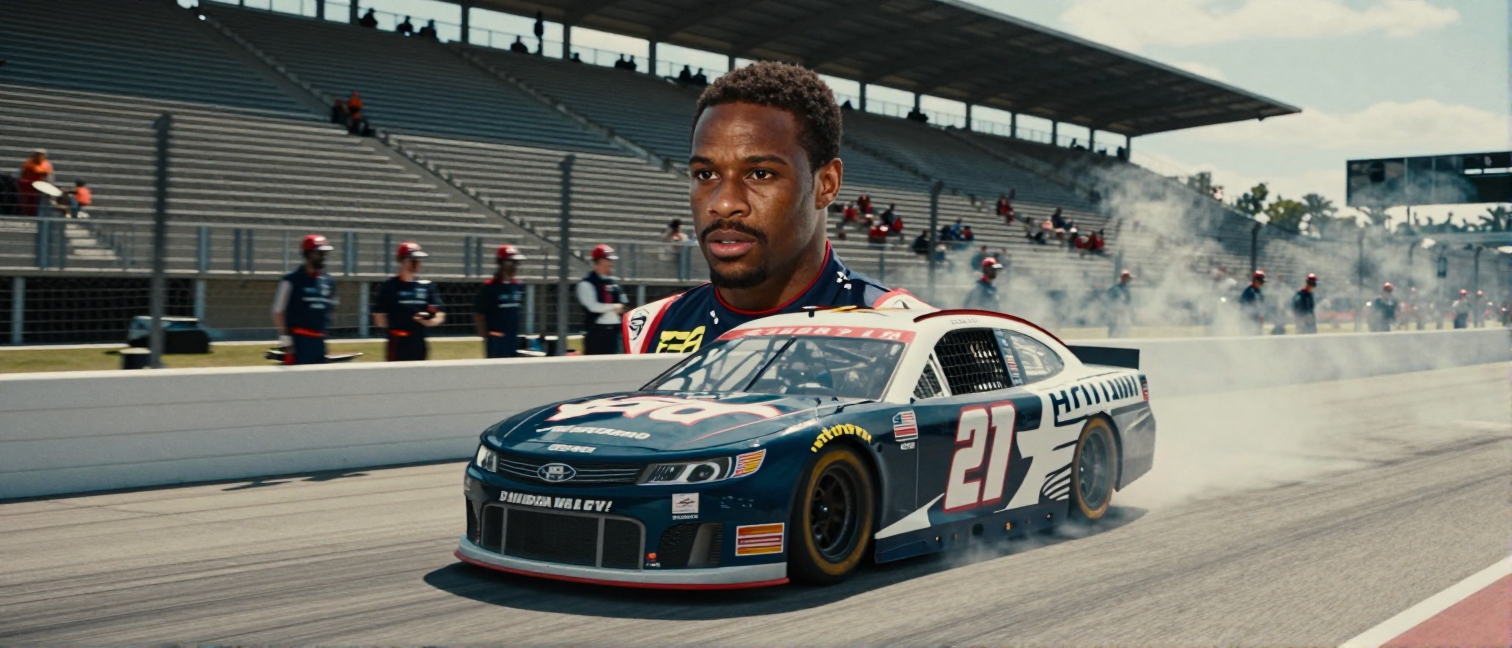
Bubba Wallace’s blunt remarks about former President Donald Trump on July 4, 2026 set off a firestorm, prompting ten NASCAR drivers to publicly weigh in on the controversy.
What sparked the drivers’ responses?
Wallace, who has long been vocal on social issues, criticized Trump during a post‑race interview at the Daytona 500. His comments touched on the former president’s stance toward racial equity in motorsports. Within hours, drivers from across the grid posted statements on Twitter and Instagram, ranging from outright support to sharp condemnation. The rapid cascade of opinions highlighted how politics now intersect with the sport’s public image.
Which drivers spoke up and what did they say?
Veteran Kyle Larson posted a measured tweet, noting that “everyone’s entitled to an opinion, but we must keep the focus on racing.” In contrast, Denny Hamlin called Wallace’s remarks “unnecessary” and urged fans to “let the track do the talking.” Young star Chase Elliott praised Wallace for “using his platform to stand up for what matters.” The full list includes Kyle Busch, Ryan Blaney, Joey Logano, Brad Keselowski, Christopher Bell, William Byron, Alex Bowman, and Ross Chastain, each offering a distinct perspective that reflects their personal brand and fan base.
Why does this matter for Bubby Wallace’s career?
Wallace’s willingness to address political topics has always set him apart, but the backlash could affect sponsor relationships. Some partners, like a major automotive parts firm, issued statements reaffirming their support for “diverse voices in racing.” Others, however, hinted at reviewing future collaborations. The episode underscores how a driver’s off‑track commentary can ripple through contract negotiations, fan engagement metrics, and even team dynamics.
What’s next for the NASCAR community?
The sport’s leadership, including NASCAR CEO Steve Phelps, promised to monitor the situation and maintain a “respectful environment for all fans.” Meanwhile, Wallace hinted at a follow‑up interview to clarify his stance, suggesting the dialogue isn’t over. As the season progresses, drivers will likely keep the conversation alive, especially during high‑profile events where media attention spikes.
How are fans reacting?
Social media analytics show a sharp split: hashtags supporting Wallace’s viewpoint trended in the Midwest, while opposition hashtags gained traction on the East Coast. Ticket sales for upcoming races have shown a modest dip in markets where the controversy hit hardest, according to a report from SportsData. Yet, overall viewership numbers remain steady, indicating that the sport’s core audience stays engaged despite the political undercurrents.
Could this influence future NASCAR policies?
The controversy may push NASCAR to revisit its stance on driver activism. Past statements from the organization emphasized “politics stay off the track,” but the growing visibility of driver opinions could force a policy update. Analysts predict that the next collective bargaining agreement might include language addressing public statements and sponsor expectations.
The fallout from Wallace’s July 4 comments illustrates how a single remark can ripple through the NASCAR ecosystem, affecting drivers, sponsors, and fans alike. As the season unfolds, the sport will watch closely to see whether the dialogue fuels change or simply fades into the background.